
How Long Does It Take for a Dog to Adjust to a Boarding Facility?
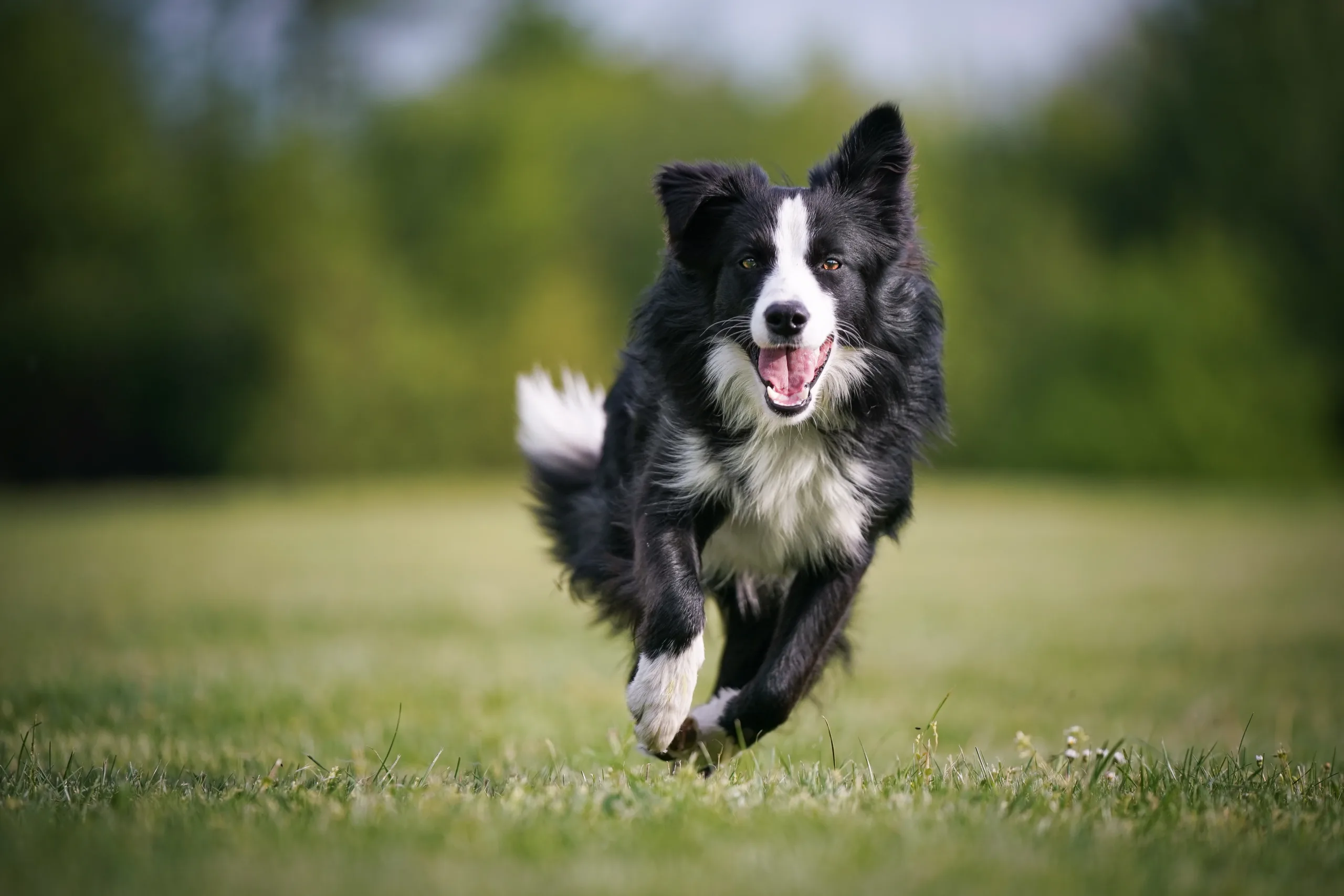
Sending your dog to a boarding facility for the first time can be stressful for both you and your pet. Have you ever wondered how long it takes for a dog to feel comfortable in a new environment? Dogs, like people, need time to adjust to changes in routine, surroundings, and social interactions. High-quality dog boarding facilities, combined with pet daycare and dog spa services, can make this transition smoother, ensuring your dog remains happy, healthy, and stress-free.
In this article, we’ll explore the typical adjustment period for dogs at boarding facilities, factors that influence the transition, and strategies to help your dog feel at home. Understanding this process will help you provide reassurance to your dog and make boarding a positive experience for both of you.
Factors That Influence Adjustment Time
Every dog is different, and the time it takes to adjust to a boarding facility depends on several factors. Age, temperament, breed, and previous socialization experiences all play a role. Puppies and highly social dogs may adapt more quickly to a structured environment with other dogs and attentive staff. On the other hand, older dogs or those with anxiety may require a longer adjustment period.
The quality of the facility also makes a significant difference. Dog resorts and spas that offer luxury dog boarding, structured schedules, and professional staff create a calm, predictable environment. Access to pet daycare, interactive play, and dog spa services such as gentle massages or grooming can reduce stress and speed up adaptation.
Typical Adjustment Timeline
For most dogs, the adjustment period varies from a few hours to several days. Some dogs may settle in almost immediately, especially if they are accustomed to social environments or prior daycare visits. Other dogs may take a week or longer to fully acclimate, particularly if it’s their first time away from home.
During the first day or two, dogs may exhibit mild signs of stress, including pacing, whining, or reduced appetite. These behaviors are normal and usually subside as the dog becomes familiar with the facility, staff, and other pets. By the third or fourth day, many dogs begin to relax, engage in play, and enjoy the structured routine.
How Boarding Facilities Support a Smooth Transition
High-quality dog boarding facilities understand that each dog’s needs are unique. Staff members often observe new arrivals closely, gradually introducing them to group play and activities. Luxury dog boarding environments may include private or semi-private spaces for dogs who need extra comfort or slower integration.
Pet daycare services within the facility help dogs acclimate through short, supervised sessions that encourage socialization, exercise, and mental stimulation. Dog spa services, such as grooming, calming massages, or aromatherapy, can also help reduce anxiety and promote relaxation during the first few days. These services not only improve the dog’s immediate experience but also help build positive associations with the boarding environment.
Tips for Helping Your Dog Adjust
Owners can take proactive steps to make the transition easier. Bringing familiar items from home, such as a favorite toy or blanket, provides comfort and reassurance. Maintaining your dog’s regular feeding schedule and daily routines helps create a sense of predictability.
Visiting the boarding facility ahead of time for a brief tour or a short daycare trial can familiarize your dog with the surroundings and staff, reducing stress during the actual stay. Owners can also coordinate with dog trainers to reinforce obedience and comfort cues that their dog already knows. Gradually increasing the length of stays, starting with a day or two before a longer boarding period, can help dogs feel more secure.
Recognizing Signs of Stress
Even in the best facilities, some dogs may show signs of stress during their adjustment period. Common behaviors include excessive barking, withdrawal, loss of appetite, or restlessness. Staff at professional dog resorts and spas are trained to monitor these behaviors and provide individualized support.
For dogs who take longer to adjust, additional dog spa services such as massage or gentle grooming can help lower anxiety. Frequent, short interactions with staff and gradual exposure to group play allow dogs to gain confidence in the new environment. With patience and proper care, most dogs adjust successfully and can enjoy future stays with ease.
The Benefits of a Successful Adjustment
Once your dog becomes comfortable with a boarding facility, the benefits extend far beyond the stay itself. Regular exposure to socialization, structured activity, and enrichment improves overall behavior, reduces anxiety, and supports physical and mental health. Dogs returning from pet daycare or luxury dog boarding often display calmer behavior at home and stronger social skills.
Professional dog trainers and boarding staff can also provide insights and recommendations for maintaining positive routines at home. By combining boarding, daycare, and dog spa services, owners create a comprehensive support system that enhances their dog’s wellbeing and strengthens the bond between pet and owner.
Making Boarding a Positive Experience
The adjustment period for dogs in a boarding facility varies depending on age, temperament, and prior experiences. On average, most dogs settle in within a few days, though some may take longer. Choosing a high-quality boarding facility, incorporating pet daycare and dog spa services, and maintaining familiar routines all contribute to a smooth transition.
The Dog Retreat & Spa offers luxury dog boarding, pet daycare, and dog spa services designed to help dogs feel comfortable, relaxed, and happy during their stay. By creating a supportive, engaging environment, The Dog Retreat & Spa ensures that your dog’s boarding experience is stress-free and enjoyable. Schedule a visit today to give your dog a safe and welcoming home away from home.