
Do Some Dog Breeds Have More Separation Anxiety Than Others?
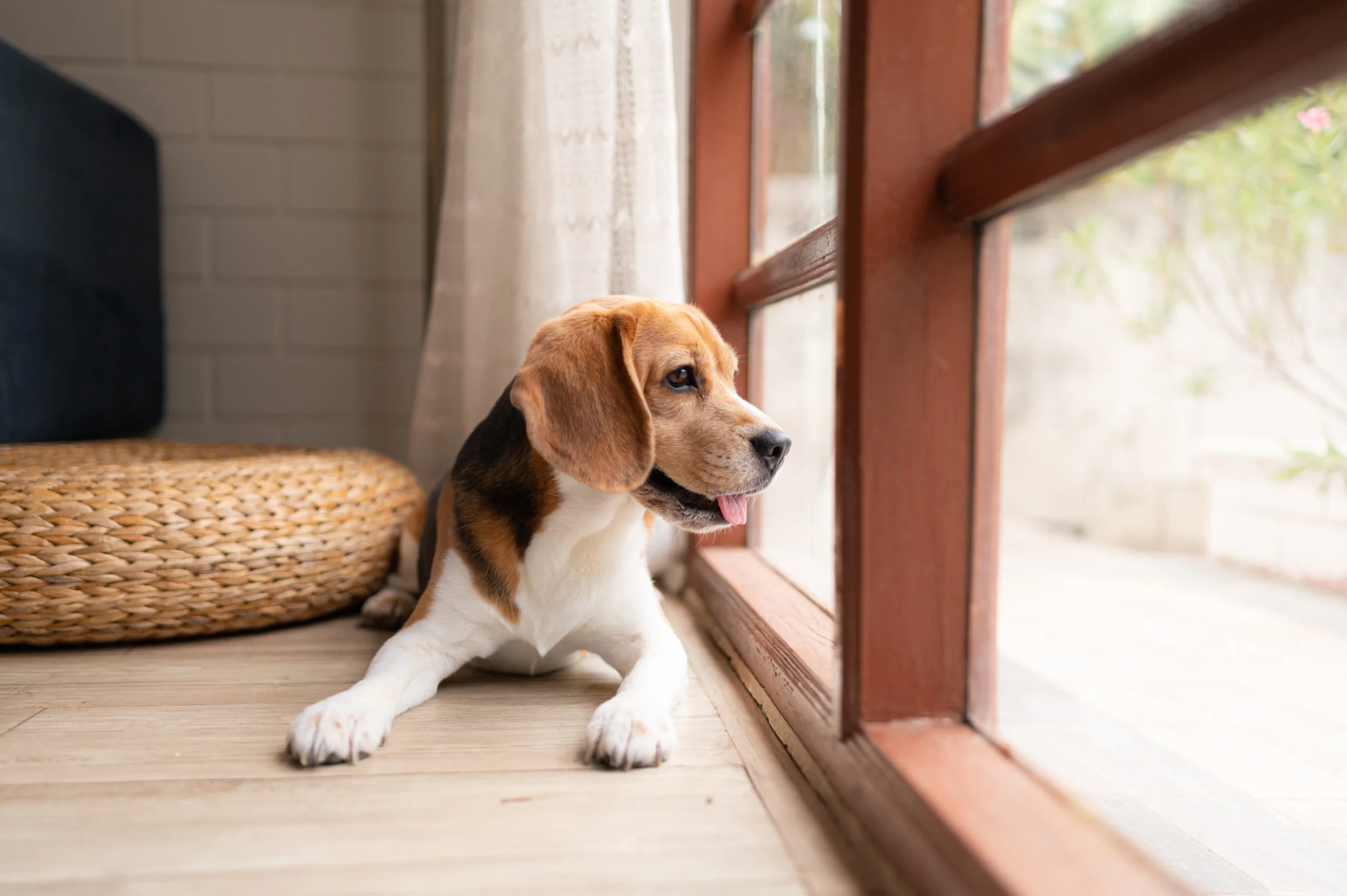
Separation anxiety is one of the most misunderstood issues in the dog world. People often mistake it for bad behavior (chewed furniture, torn-up pillows, excessive barking) but those are just the surface symptoms. What’s really going on is deeper: fear, stress, and a dog’s innate need to be near their pack.
Dogs are wired to be close to their people. But some breeds feel this separation more intensely than others. Whether you’re exploring dog training, pet daycare, or luxury dog boarding, understanding your dog’s emotional makeup, especially if they’re prone to anxiety, can make all the difference.
Why Some Breeds Struggle More Than Others
Not all dogs handle being alone the same way. Genetics and history play a major role. Certain breeds were developed to work closely with humans, retrievers, herders, lapdogs, and these breeds are particularly sensitive to separation.
Breeds known for high attachment levels include:
- Labrador Retrievers – Social and people-focused
- German Shepherds – Highly loyal and alert
- Cocker Spaniels – Sensitive and emotionally tuned-in
- Cavalier King Charles Spaniels – Bred to be constant companions
- Border Collies & Australian Shepherds – Intelligent and work-driven
- Vizslas – Nicknamed the “Velcro dog” for good reason
- Toy Poodles & Bichon Frises – Smart, affectionate, and people-dependent
For these dogs, being left alone doesn’t just feel boring, it feels like abandonment.
What Separation Anxiety Really Feels Like for Dogs
Imagine being locked in a room without knowing if your family is coming back. For many dogs, that’s exactly what separation anxiety feels like. It’s not stubbornness or misbehavior, it’s panic.
Common signs include:
- Pacing, trembling, or excessive drooling
- Destructive behavior like chewing or digging
- Howling or barking for long periods
- Attempting to escape
- Refusing food or water
These behaviors aren’t about acting out. They’re a cry for help from a dog who feels unsafe.
How Upbringing and Environment Play a Role
While genetics matter, a dog’s upbringing has a major impact too. A well-socialized puppy that’s exposed to different people, sounds, and situations early in life may cope better alone than a poorly socialized one, even if they’re the same breed.
Dog training is essential here, not just to teach commands, but to build emotional resilience. Proper training teaches patience, builds independence, and helps dogs understand that being alone is okay.
Facilities like dog boarding centers that incorporate training into daily routines can make a huge difference for anxious dogs. At places like Dog Retreat and Spa, training and enrichment are built into the daily routine, helping anxious dogs gain confidence and build independence.
The Modern Dog’s Dilemma
Today’s dogs face challenges their ancestors never knew:
- Longer workdays mean more alone time.
- Urban living offers less stimulation.
- Travel, errands, and busy schedules reduce quality time.
That’s why services like pet daycare and luxury dog boarding have become essentials for many owners, not just conveniences. They give dogs the socialization, routine, and mental exercise they need to stay balanced.
Matching Care to the Breed
Just like every dog is different, so is every solution. Here’s how some common breeds tend to show anxiety, and how the right services help:
- Border Collies: Tend to become destructive if under-stimulated. Benefit from structured dog training and active pet daycare environments.
- Vizslas: Panic without their humans. Do well in luxury dog boarding that offers human interaction and comfort.
- Cavalier King Charles Spaniels: Often withdraw or whimper when anxious. Thrive with gentle attention at a dog spa or calm boarding facility.
- Toy Poodles: Smart and alert, often bark or pace. Respond well to mentally stimulating routines.
No matter the breed, giving a dog consistency, companionship, and enrichment helps reduce anxiety across the board.
What to Look For in a Dog Care Facility
Not all dog boarding facilities are created equal, especially when anxiety is involved. Look for places that:
- Offer personalized routines
- Include socialization and playtime
- Have trained staff who understand canine behavior
- Provide options for enrichment (like scent games or puzzle toys)
- Offer a calming environment, not just cages or kennels
Facilities like Dog Retreat and Spa specialize in providing structured routines, enriching play, and human interaction, perfect for dogs prone to separation anxiety.
Supporting Your Dog at Home
Even the best facilities work best when paired with good routines at home. Try:
- Keeping departures and arrivals calm and consistent
- Offering puzzle toys or treat-dispensing devices to reduce boredom
- Creating a cozy, safe space for your dog to retreat to
- Practicing short periods of alone time and gradually increasing them
- Using pet cameras or two-way audio devices to check in
Consistency builds confidence. And confidence helps ease anxiety.
Anxiety Isn’t a Flaw, It’s a Signal
Separation anxiety isn’t something to be ashamed of, it’s something to address. Left unchecked, it can lead to health issues, behavioral problems, and a breakdown in the bond between dog and owner.
Understanding breed tendencies, providing professional support through dog training, dog spa services, or luxury dog boarding, and creating a consistent, loving home environment all work together to help your dog feel safe, even when you’re not around.
Your dog deserves peace of mind. And you deserve peace of mind too. With services from places like Dog Retreat and Spa, owners have trusted support in managing separation anxiety through structured care and personalized attention.