
Understanding Canine Body Language: What Your Dog’s Signals Really Mean
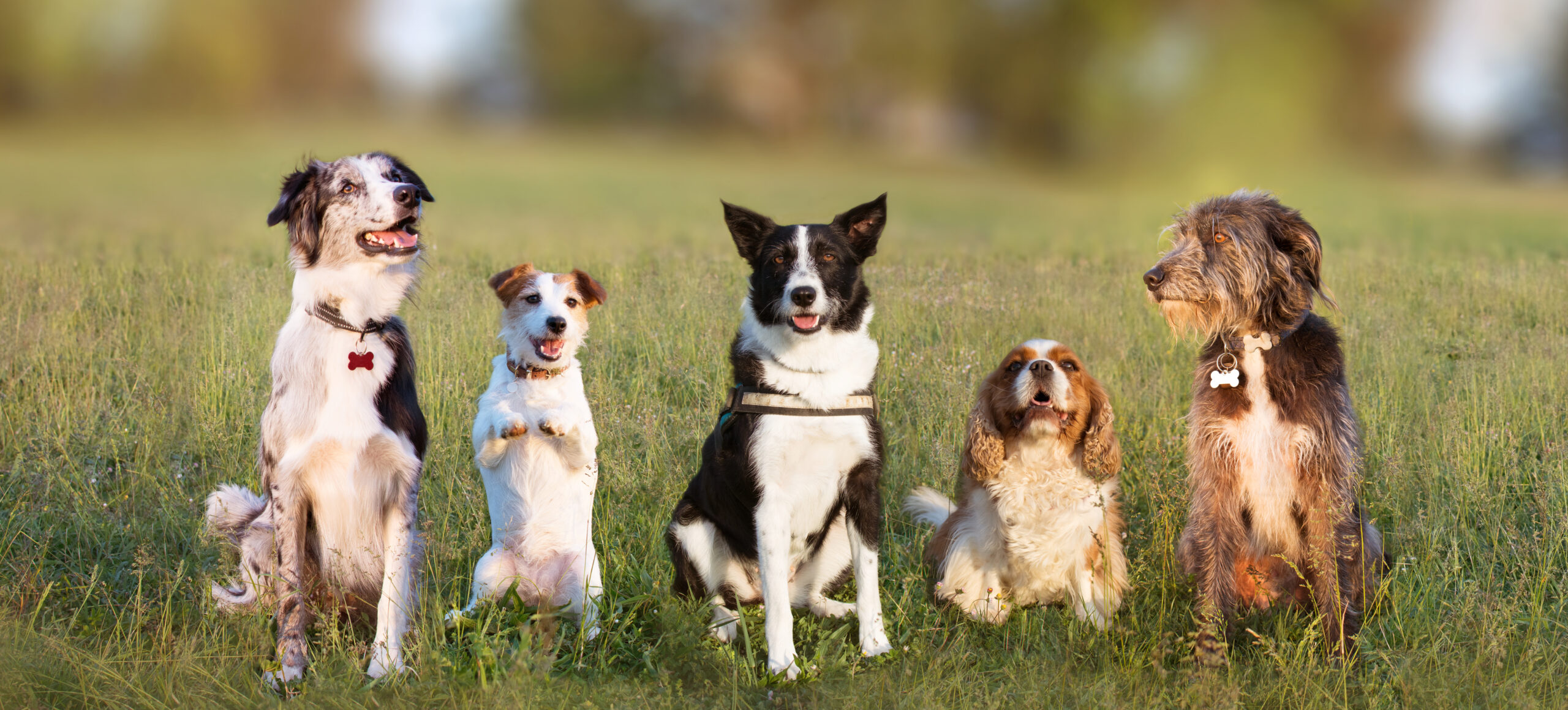
Have you ever wondered what your dog is trying to tell you? Dogs communicate primarily through body language, and understanding their signals can help strengthen your bond, improve training, and prevent misunderstandings. Whether it’s a wagging tail, perked ears, or a playful bow, every movement has meaning. This guide will help you decode canine body language so you can better understand your furry companion.
Why Canine Body Language Matters
Dogs use body language to express emotions, needs, and intentions. Learning to read these signals can help you:
- Strengthen your relationship with your pet
- Prevent aggressive or fearful reactions
- Recognize when your dog is happy, anxious, or stressed
- Improve communication during training
By paying close attention to their cues, you can ensure a happier and healthier relationship with your dog.
Common Canine Body Language Signals
Tail Wagging: It’s Not Always Happiness
A wagging tail doesn’t always mean a dog is happy. The position, speed, and stiffness of the wag can indicate different emotions:
- Loose, wagging tail at mid-height: A relaxed and happy dog.
- Slow, stiff wag: Uncertainty or caution.
- Tail tucked between legs: Fear or submission.
- High, stiff wag: Alertness or possible aggression.
Ears: Listening and Expressing Emotion
Your dog’s ears can tell you a lot about how they are feeling:
- Ears forward: Interest or curiosity.
- Ears flattened against head: Fear, submission, or stress.
- Ears slightly back but relaxed: Contentment.
Eyes: The Windows to Their Emotions
A dog’s eyes can reveal a lot about their mood:
- Soft, relaxed eyes: Calm and comfortable.
- Whale eye (seeing the whites of the eyes): Anxiety or discomfort.
- Direct, hard stare: A challenge or potential aggression.
- Blinking or avoiding eye contact: Submission or an attempt to calm a situation.
Mouth and Facial Expressions
Dogs use their mouths to communicate their feelings:
- Relaxed mouth, slightly open: Comfortable and happy.
- Panting with wide eyes: Stress or overheating.
- Lips pulled back, teeth bared: Aggression or fear.
- Yawning: Can indicate tiredness or stress.
Body Posture and Movement
Your dog’s overall posture can tell you a lot about their state of mind:
- Loose, wiggly body: Playfulness and happiness.
- Stiff body with weight shifted forward: Alertness, possible aggression.
- Crouching with tail tucked: Fear or submission.
- Play bow (front legs stretched out, rear end up): Invitation to play.
How to Respond to Your Dog’s Body Language
Understanding your dog’s signals is only part of the equation. Responding appropriately is key to effective communication:
- If your dog shows signs of fear or stress, give them space and reassurance.
- Encourage relaxed body language with calm speech and gentle petting.
- Avoid direct eye contact if your dog seems nervous or submissive.
- Reinforce positive behavior with treats and praise.
- If your dog exhibits aggressive signals, remain calm and remove them from the stressful situation.
Decoding Play vs. Aggression
It can sometimes be difficult to tell if dogs are playing or fighting. Here’s how to differentiate:
- Playful dogs take turns, have relaxed body language, and may display a play bow.
- Aggressive interactions include stiff movements, growling, and raised hackles.
If unsure, observe for signs of discomfort and intervene if necessary.
Building a Better Bond Through Body Language
By understanding canine body language, you can:
- Enhance training effectiveness.
- Prevent unwanted behaviors.
- Strengthen your bond with your dog.
- Ensure your pet’s emotional and physical well-being.
At The Dog Retreat & Spa, we believe that a well-informed pet owner is a happy pet owner. Our team is dedicated to helping you understand and care for your dog in the best way possible. Whether you need training, daycare, or spa services, we’re here to support you and your furry friend.
Communicate Better with Your Dog
Understanding your dog’s body language is crucial for effective communication. By learning to read their signals, you can build a deeper bond, prevent misunderstandings, and ensure their happiness. Keep an eye on tail wags, ear positions, eye expressions, and overall body posture to interpret what your dog is feeling.
If you want to learn more about improving your dog’s behavior, visit The Dog Retreat & Spa for expert guidance and services that cater to your pet’s needs.
By paying attention to your dog’s body language, you can create a stronger, more trusting relationship with your four-legged companion!