
How to Tell If Your Dog Actually Needs Physical Therapy
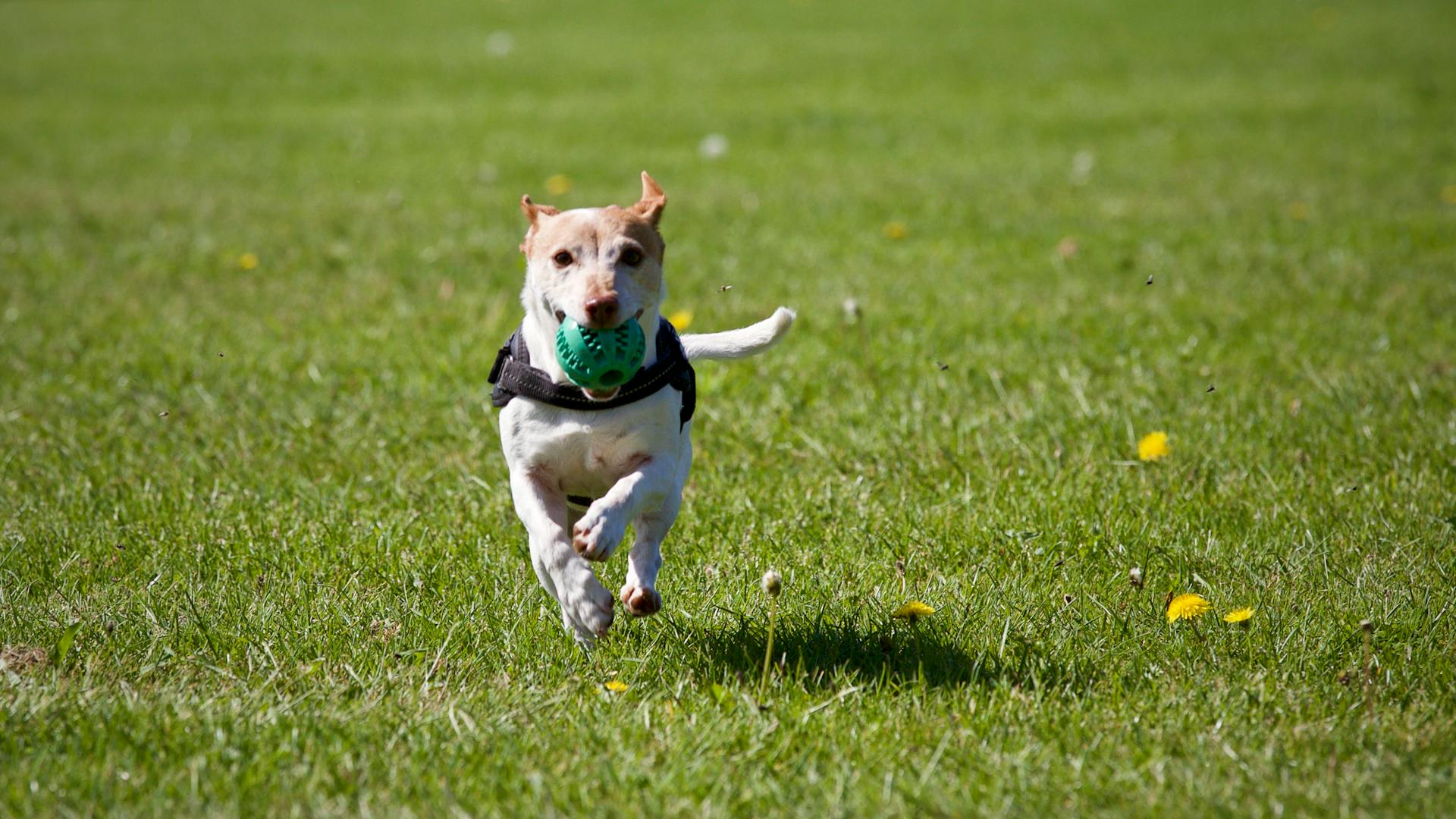
Dogs are remarkably resilient, often pushing through discomfort without showing obvious signs of pain. Because of this, early mobility issues are easy to overlook. Subtle changes in how your dog moves, rests, or plays can be important signals that physical therapy may help. Recognizing these signs early gives your dog the best chance to stay active, confident, and comfortable throughout every life stage.
What Is Canine Physical Therapy?
Canine physical therapy focuses on improving mobility, reducing pain, and supporting recovery after injury, surgery, or age-related changes. Sessions often include gentle stretching, strengthening exercises, balance work, and sometimes hydrotherapy to help dogs move without added joint stress. These therapies are designed to be calm and reassuring so dogs feel supported, not overwhelmed.
This type of care is especially beneficial for dogs recovering from orthopedic surgery, managing chronic conditions like arthritis, or experiencing stiffness as they get older. Many owners find comfort in seeing how relaxed their dogs become during therapy, often settling into exercises with trust and ease.
Common Signs Your Dog May Need Rehab
Dogs rarely complain when something feels off. Instead, they show subtle changes in how they walk, rest, or behave. Noticing these small patterns can help you seek support before symptoms worsen.
Common signs include:
- Limping or favoring one leg
- Stiffness after resting
- Slower walks or shortened stride
- Difficulty standing up or lying down
- Hesitation with stairs, furniture, or playful activities
- Decreased enthusiasm during exercise or outdoor time
Dogs who attend active environments like daycare at The Dog Retreat & Spa may also show soreness later at home. Some rest more than usual after a busy day, hesitate to jump into the car, or choose quiet time instead of play. These subtle changes can be early indicators that canine physical therapy may help your dog feel more at ease.
How Therapy Supports Recovery
Canine physical therapy uses gentle, evidence-based techniques to improve mobility while protecting healing tissues. Sessions often include:
- Range-of-motion work — Relieves stiffness and encourages smoother, more comfortable movement.
- Strengthening exercises — Improves stability and protects joints from further strain.
- Hydrotherapy — Helps dogs rebuild strength through supported movement in water.
According to the American Kennel Club, rehabilitation therapy can support recovery, improve strength, and enhance mobility in dogs of all ages.
Choosing a Qualified Canine Therapist
Finding the right therapist is important for your dog’s comfort and progress. A skilled professional, like those at The Dog Retreat & Spa, will approach your dog with patience, warmth, and a clear understanding of how different conditions affect mobility.
When meeting a therapist for the first time, consider asking:
- What certifications or specialized training do you have?
- How do you evaluate mobility, comfort, and pain levels?
- What types of therapy do you typically recommend for dogs like mine?
- How often should we schedule sessions based on my dog’s needs?
The right therapist will not only guide your dog through exercises but also support you as the caregiver, explaining every step in a way that feels reassuring and easy to understand.
FAQ: Dog Physical Therapy
How do I know if my dog needs physical therapy?
Changes such as limping, stiffness, difficulty moving, or unusual hesitation during normal activities may indicate that therapy could help.
How often should sessions be scheduled?
Many dogs begin with weekly appointments, with frequency adjusted as they improve.
Is canine physical therapy safe for older dogs?
Yes. Senior dogs often benefit greatly from gentle exercises and supportive therapies that reduce stiffness and maintain mobility.
Supporting Your Dog’s Mobility at Every Stage
Through targeted exercises, hands-on care, and personalized treatment plans, physical therapy can help reduce discomfort, improve strength and flexibility, and restore confidence in movement. Addressing these changes early not only supports your dog’s physical well-being but also helps them continue enjoying the activities and routines they love, comfortably and safely. Reach out to us today to determine whether physical therapy is the right fit for your dog’s needs.