
How Seasonal Changes Affect Your Dog’s Coat
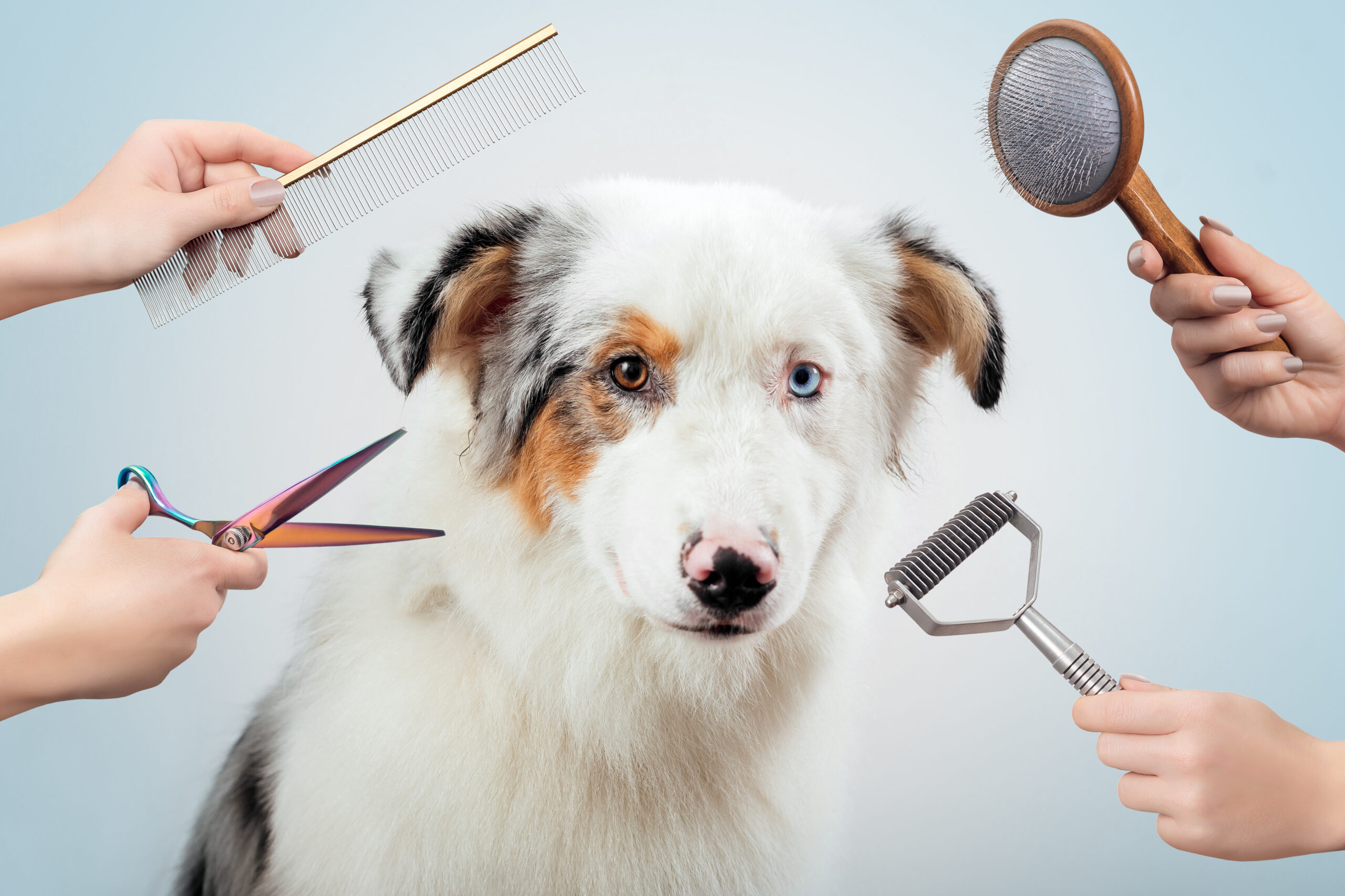
Have you noticed your dog’s fur getting thicker, shedding more than usual, or becoming harder to manage at certain times of the year? These changes aren’t necessarily random. Your dog’s coat responds to seasonal shifts, and understanding those patterns can help you determine when a dog haircut or additional grooming attention may be needed.
From seasonal shedding to changes in skin moisture, here’s what happens to your dog’s coat throughout the year and how to keep it comfortable and healthy.
Why Does Your Dog’s Coat Change With the Seasons?
A dog’s coat naturally adapts to environmental changes, particularly shifts in daylight and temperature. Hair growth and shedding cycles help regulate insulation, although the extent of these changes depends on breed, coat type, genetics, and living conditions.
Double-coated breeds, such as Golden Retrievers and Huskies, typically experience more noticeable seasonal transitions. Dogs with continuously growing hair, including Poodles and Shih Tzus, have different maintenance needs and may require a more consistent dog haircut schedule.
How Different Seasons Affect Your Dog’s Coat
Spring: Increased Shedding and Undercoat Loss
Spring is a major shedding season for many double-coated dogs. As daylight increases and temperatures rise, they begin releasing portions of their dense winter undercoat.
This loose fur can become trapped beneath the outer coat, contributing to tangles and restricting airflow near the skin. Professional dog undercoat removal helps release accumulated hair without damaging the protective topcoat.
Summer: Heat, Humidity, and Coat Maintenance
During warmer months, humidity, swimming, and outdoor activity can introduce additional grooming challenges. Moisture trapped beneath dense or matted fur may contribute to skin irritation, making thorough drying particularly important.
While a shorter dog haircut may benefit certain breeds, shaving a double-coated dog isn’t generally recommended unless medically necessary. Their outer coat provides protection from environmental exposure, and removing it does not guarantee better temperature regulation.
Fall: Preparing for a Thicker Coat
As daylight decreases, many dogs enter another seasonal shedding period while their coat transitions toward winter growth.
Fall is an excellent time to address existing tangles before thicker fur makes them more difficult to manage. Regular brushing also helps prevent loose hair from becoming incorporated into developing mats.
Winter: Dry Skin and Matting Concerns
Winter can introduce a different set of coat concerns, particularly for dogs spending considerable time indoors with heating systems that reduce humidity.
Dryness may contribute to flaky skin, while sweaters and harnesses can create friction-related tangles around the chest, neck, and legs. Using coat-appropriate conditioning products and checking these areas regularly can help maintain comfort.
How Professional Dog Grooming Services Support Coat Health
Seasonal grooming should be based on your dog’s individual coat rather than following the same routine for every breed.
Professional dog grooming services can address changing coat conditions through appropriate bathing, brushing, trimming, and deshedding techniques. A groomer can also identify developing mats or unusual skin changes that might otherwise go unnoticed beneath thick fur.
Between visits, maintaining a home brushing routine helps preserve grooming results. If you notice persistent redness, bald patches, or excessive scratching, consult your veterinarian rather than assuming the symptoms are seasonal.
Frequently Asked Questions
Can seasonal allergies affect a dog’s coat?
Yes. Environmental allergens, including pollen and mold, can cause itching and inflammation that affect coat condition. Frequent scratching or licking may eventually lead to thinning fur, irritated patches, or secondary skin infections.
Can a dog’s coat change as they get older?
Yes. Aging can affect coat thickness, texture, and hair growth. Sudden or significant changes, however, deserve veterinary attention, particularly when accompanied by skin irritation or hair loss.
How can I tell if my dog has a single or double coat?
Double-coated dogs have a layer of shorter, softer fur beneath their longer protective outer hairs. Single-coated dogs lack this distinct insulating underlayer. A professional groomer can help identify your dog’s coat type, particularly if they have a mixed-breed background
Keep Your Dog Comfortable Through Every Season
Your dog’s grooming needs won’t necessarily look the same in January as they do in July. Having a professional familiar with their coat type makes it easier to adapt their care as those needs evolve.
The Dog Retreat & Spa offers grooming care to help your dog look and feel their best throughout the year. Explore our services and schedule your dog’s next grooming appointment to give their coat the attention it deserves.