
How Often Should Different Dog Breeds Be Groomed?
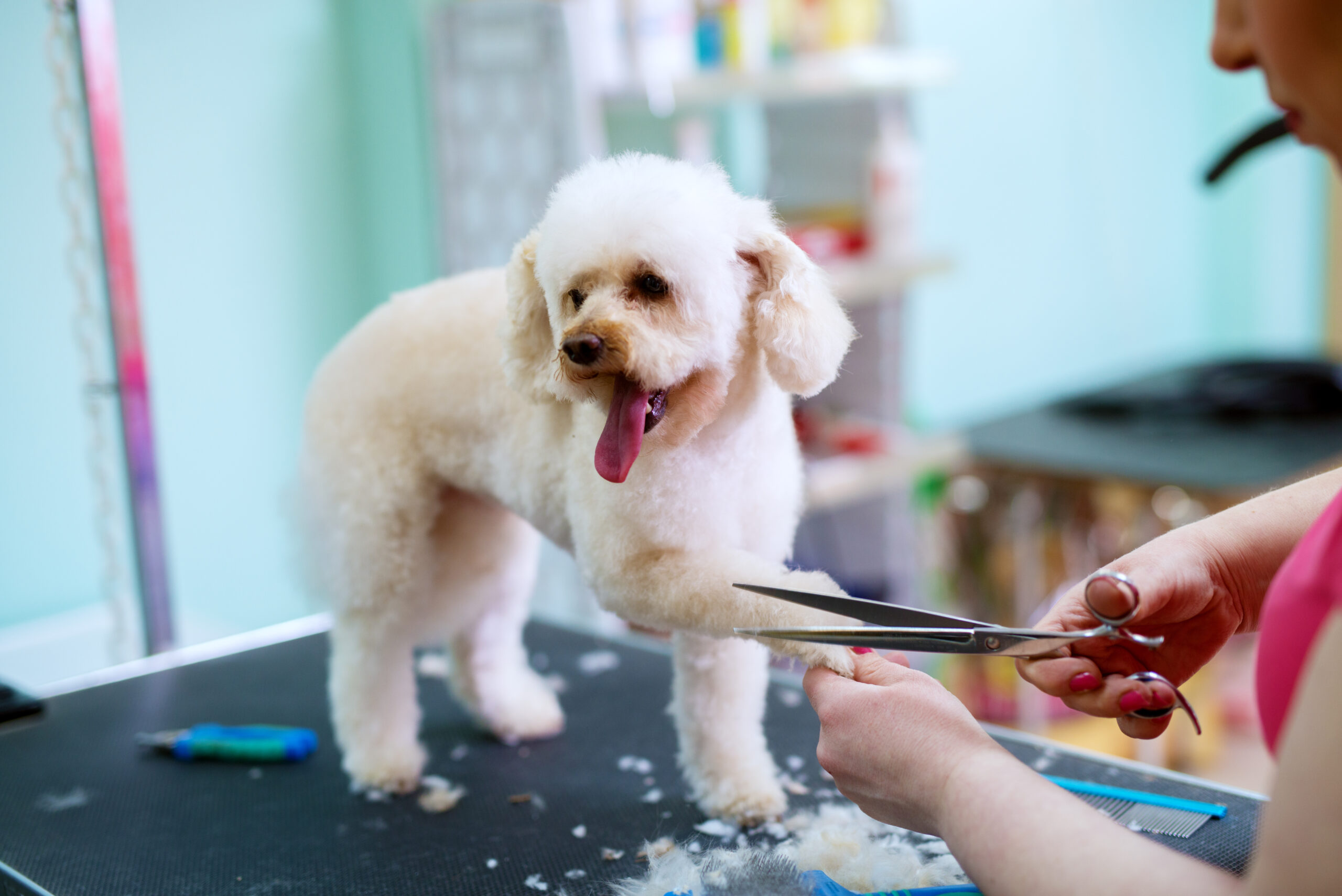
Ask ten dog owners how often they groom their pup, and you’ll get ten different answers. That’s because there’s no single dog grooming routine that works for every dog. Coat type, breed, activity level, and even the season all play a role in how often your pup needs a trip to the tub or the clippers. Skip it for too long, and even a healthy dog can end up with matting, skin irritation, or excess shedding around the house. Whether you’ve got a fluffy Doodle or a sleek Husky, understanding your dog’s specific grooming needs helps keep their coat healthy, their skin comfortable, and shedding under control.
This guide covers grooming benchmarks for puppies and six popular breeds, from at-home brushing frequency to professional appointments typically spaced four to eight weeks apart, plus a few breed-specific quirks worth knowing along the way.
Starting Early: Puppy Grooming
Puppy grooming isn’t just about keeping a new pup clean, it’s about building comfort with the process. Introducing brushing, nail trims, and bath time early, even before a full adult coat comes in, helps dogs grow into calm, cooperative adults at the groomer, rather than ones who dread the tub. Most puppies do well with light grooming sessions every few weeks, gradually working toward a more regular dog grooming routine as their coat matures.
Once that adult coat comes in, grooming needs start to look different from breed to breed. Dog owners can expect this kind of personalized service from The Dog Retreat & Spa, whether they’re booking for a golden retriever, a Doodle, or anything in between.
Golden Retrievers
With their signature double coat, golden retriever grooming typically calls for brushing two to three times a week to manage the undercoat and prevent mats, especially around the ears and tail. Professional golden retriever grooming every four to six weeks, including a deshedding treatment and a gentle ear cleaning, helps keep loose fur under control, particularly during seasonal blowouts in spring and fall.
Doodles
Doodle grooming is a different story. Because Doodles, Goldendoodles, Labradoodles, and their curly-coated cousins, don’t shed the way many breeds do, their fur tends to mat if it isn’t brushed several times a week, and neglected mats can quickly become uncomfortable, even painful, close to the skin. Most owners find that professional Doodle grooming every four to six weeks, paired with consistent at-home brushing, keeps that signature curly coat soft and tangle-free.
Yorkies
Yorkie grooming depends largely on the length owners prefer. A longer, silky coat needs daily brushing at home, along with a topknot to keep hair out of their eyes, and Yorkie grooming appointments every four weeks to prevent matting around the face and legs. Owners who keep their Yorkie in a shorter “puppy cut” can often stretch visits to every six to eight weeks with a bit less upkeep in between.
Huskies
Husky grooming looks a little different, since Huskies are heavy seasonal shedders with a dense double coat that insulates them year-round and should never be shaved. While they don’t typically need frequent baths, weekly brushing at home is essential, and Husky grooming appointments every six to eight weeks, with extra deshedding during spring and fall coat blows, make a noticeable difference in how much fur ends up on the couch.
German Shepherds
Like Huskies, German shepherds carry a thick double coat built for shedding, and it can feel relentless without a plan in place. German shepherd grooming benefits from weekly brushing at home and a professional deshedding treatment every six to eight weeks. Staying consistent with German shepherd grooming helps manage year-round shedding and keeps the skin healthy underneath that dense undercoat.
Cocker Spaniels
Cocker spaniel grooming tends to be on the higher-maintenance end, thanks to their long, silky ears and flowing coat. Regular brushing several times a week, along with cocker spaniel grooming visits every four to six weeks, helps prevent mats and keeps ears clean and dry, an important detail, since the breed is prone to ear infections, especially if they love water.
Frequently Asked Questions
At what age should puppies start getting groomed?
Puppies can typically start professional grooming around 10 to 12 weeks old, once they’ve had their first round of vaccinations.
What does a typical dog grooming appointment include?
A standard grooming appointment includes a bath, blow-dry, brush-out, nail trim, ear cleaning, and a sanitary trim around the paws and tail.
How long does a typical dog grooming appointment take?
Most grooming appointments take one to three hours, depending on the dog’s size, coat type, and how much maintenance is needed.
Finding the Right Rhythm
No matter the breed, the best dog grooming routine is the one that fits your pup’s coat, lifestyle, and comfort level. From puppy grooming through the senior years, and whether it’s golden retriever grooming, Doodle grooming, Yorkie grooming, Husky grooming, German shepherd grooming, or cocker spaniel grooming, a trusted groomer makes all the difference by tailoring each visit to what that pup actually needs, not just a one-size-fits-all schedule.
For dog owners throughout Waltham, MA, Middlesex County, and Worcester, MA, The Dog Retreat & Spa offers professional grooming for every breed and coat type, backed by a team that treats every pup like family. Ready to build a grooming routine your dog will actually enjoy? Stop by and see what a difference the right care makes.