
How Dogs Are Grouped During Boarding and Why It Matters
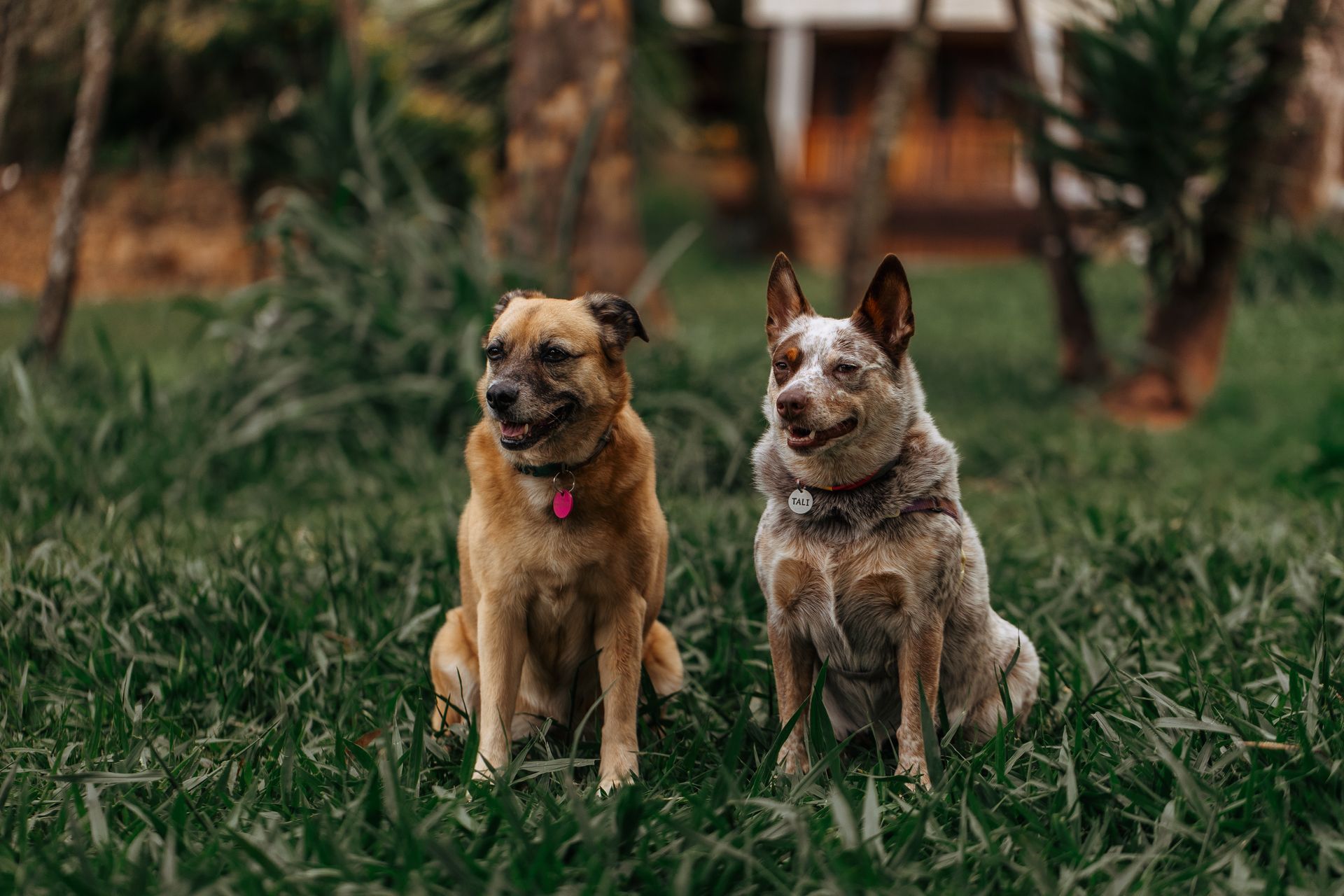
Packing your dog’s food and favorite blanket is the easy part of boarding. The real question most owners have is who their dog will spend the day playing with.
Dog boarding grouping is the process of placing dogs into supervised playgroups based on size, age, energy level, temperament, and play style. Well-matched groups reduce the risk of injuries and stress, so every dog can enjoy safer, calmer, and more confident play while you are away.
What Is Dog Boarding Grouping?
Dog boarding grouping refers to how staff organize boarding guests into compatible playgroups during the day. At many facilities, boarding dogs join daycare play, so the same sorting rules apply to both. Instead of releasing every dog into one large yard, trained staff build smaller groups where dogs can interact on equal footing.
This matters because dogs communicate mostly through body language. A friendly 80-pound Labrador may mean no harm, but a single bump can injure a toy breed. Thoughtful grouping keeps play balanced, readable, and fun.
How Dog Daycare Sorting Works Before the First Stay
Good grouping decisions start with an evaluation. At The Dog Retreat & Spa, every new guest completes a 30 to 45 minute temperament evaluation for daycare, where the team watches how they greet and play with a few dogs.
During dog daycare sorting, staff also review health records. Dogs must be current on core vaccines, and dogs over eight months old must be spayed or neutered for group play.
Size and Age
Size is usually the first filter. Small and large dogs play with very different force, so safety comes first. Age matters too, since puppies tire quickly and seniors often prefer gentler company.
Energy Level and Temperament
Two dogs of the same size can still be a poor match. A high-energy adolescent can easily overwhelm a mellow senior. Staff trained in canine behavior watch for confidence, tolerance, and how quickly each dog settles after excitement.
Why Dog Boarding Play Style Matters
Dog boarding play style describes how a dog prefers to interact with others. Some dogs love chase games, some enjoy wrestling, and others are happiest playing alongside friends without much contact.
Pairing a body-slamming wrestler with a gentle chaser can leave both dogs stressed. When play styles align, dogs read each other’s signals easily and take turns naturally. Staff also keep energy in check by balancing structured play and free play, stepping in with a guided activity whenever a game starts getting too rough.
Common Dog Boarding Playgroup Grouping Methods
Most facilities combine several dog boarding playgroup grouping methods instead of just one.
- Size-based groups: separate play areas for small and large dogs
- Temperament-based groups: social dogs together, shy dogs in quieter spaces
- Play-style groups: chasers, wrestlers, and easygoing companions matched by preference
- Small enrichment groups: low-ratio groups for seniors, puppies, or easily overstimulated dogs
Staff ratios matter as much as the method itself. Larger social groups typically run about one attendant for every 12 to 15 dogs, while enrichment groups may include only six to eight. Smaller ratios support the kind of consistent, well-matched playtime that keeps dogs relaxed and engaged.
How Grouping Shapes the Entire Boarding Stay
Group placement is not a one-time decision. Staff watch for fatigue, frustration, or changes in mood and move dogs to rest or a calmer group when needed.
Evenings work differently with overnight dog boarding, most dogs sleep in private suites, while cage-free sleepovers are reserved for pre-approved dogs.
Frequently Asked Questions
Can dogs from the same household stay in the same playgroup?
Dogs from the same home can often share a group when their size and play styles are compatible. Many facilities also offer larger suites so housemates can sleep together overnight.
What should I tell staff before my dog’s first boarding stay?
Share any triggers, such as resource guarding, fear of certain dogs, or recent behavior changes. Honest details help staff place your dog in the right group from day one.
Is it normal for my dog to be tired after boarding?
Yes, a sleepy dog usually means they had an active, social stay. If tiredness lasts more than a day or two or comes with limping, check in with your veterinarian.
Choosing a Boarding Facility That Groups Dogs With Care
Careful grouping is a clear sign of a safe, well-run boarding facility. Size, age, energy, temperament, and dog boarding play style all shape whether your dog comes home happy or overwhelmed. Before booking, ask how dogs are evaluated, how groups are formed, and how many staff members supervise each playgroup.
The Dog Retreat & Spa matches every guest with care, backed by a team trained in dog behavior and on-site 24/7. Whether you need dog boarding, dog daycare, supervised playgroups or overnight lodging in Newton, Watertown, or Lexington, schedule your dog’s evaluation today and give them a stay they will love.