
How Does Canine Physical Therapy Work?
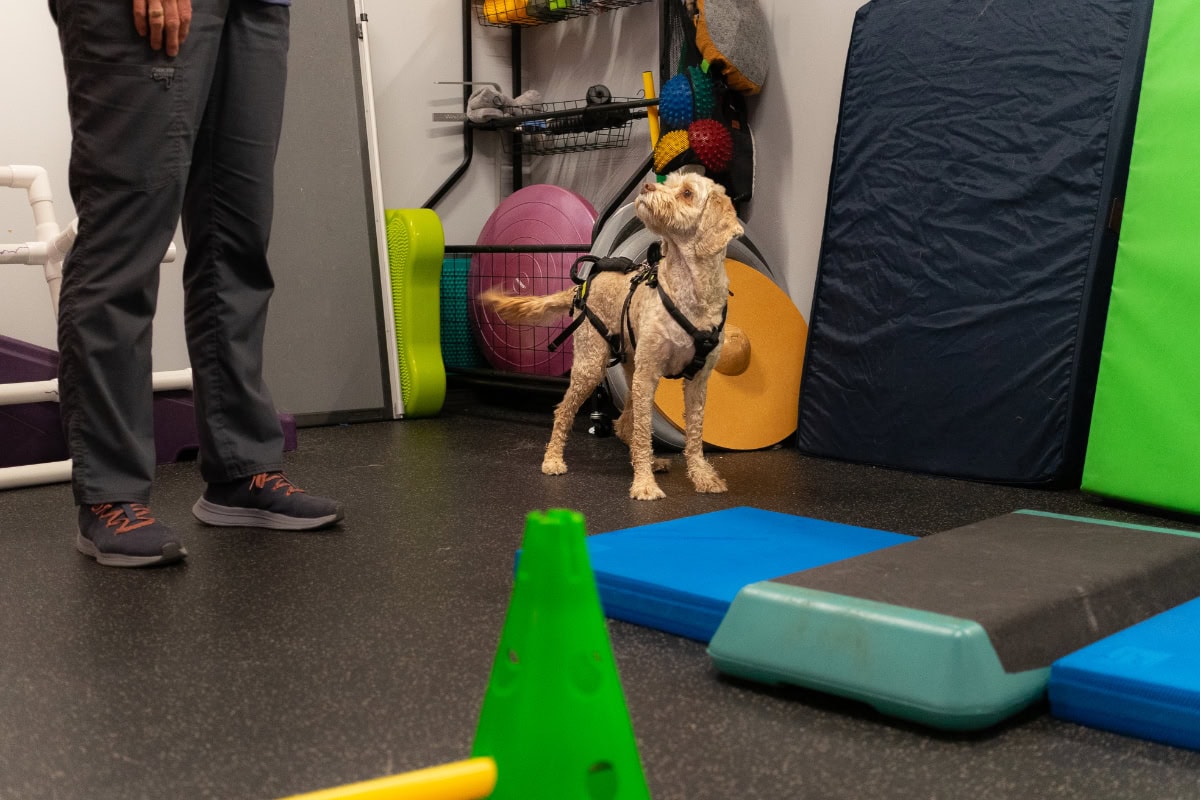
Has your dog been struggling with arthritis, recovering from a pet injury, or dealing with hip or elbow dysplasia? Canine physical therapy, also known as canine physical rehabilitation, is a proven way to help dogs regain mobility, reduce pain, and improve overall quality of life. At The Dog Retreat & Spa, we specialize in personalized dog rehab programs that address these challenges while promoting long-term wellness.
In this article, we’ll explore how canine physical therapy works, why it’s important, and the benefits your dog can gain from a tailored rehab program. We’ll also share tips on choosing the right program and answer common questions about pet rehab.
What is Canine Physical Rehabilitation?
Canine physical rehabilitation is a specialized form of therapy designed to improve mobility, strength, and comfort in dogs. It combines evidence-based techniques such as exercise therapy, manual therapy, hydrotherapy, and other modalities tailored to each dog’s needs.
For example, a dog recovering from a cruciate ligament injury may undergo a series of exercises to rebuild strength and balance. Dogs with arthritis or hip dysplasia benefit from gentle movement and stretching routines that alleviate joint stiffness. Canine physical therapy focuses not just on recovery but also on prevention, helping your dog stay active and comfortable throughout their life.
How Does Canine Physical Therapy Work?
Physical rehab for dogs begins with a thorough assessment by a trained veterinary rehabilitation specialist. This evaluation identifies any mobility limitations, muscular weaknesses, or joint issues.
Step 1: Personalized Treatment Plan
Each dog receives a customized program that addresses their specific condition, whether it’s arthritis, hip dysplasia, elbow dysplasia, or recovery from a pet injury. Plans often include exercises to enhance flexibility, strength, and balance.
Step 2: Targeted Exercises and Modalities
Techniques may include underwater treadmill sessions to reduce joint stress, range-of-motion exercises to improve mobility, and canine strength & conditioning routines that enhance overall muscle support. Dogs training for agility or returning to active lifestyles benefit from exercises tailored to canine agility and endurance.
Step 3: Ongoing Monitoring and Adjustment
As your dog progresses, the therapy plan is updated to ensure continued improvement and prevent setbacks. Regular monitoring helps identify emerging issues early, which can prevent further injury and support long-term joint health.
At The Dog Retreat & Spa, our programs combine hands-on therapy, guided exercises, and hydrotherapy sessions to deliver measurable improvements in mobility and quality of life.
Why is Canine Physical Therapy Important?
Pet rehab not only relieves discomfort but also helps restore natural movement patterns, enhances strength, and reduces the risk of future injuries. In addition, canine rehabilitation improves cardiovascular health, promotes weight management, and supports mental stimulation, which is especially important for active or senior dogs. Ignoring mobility issues can lead to worsening joint problems, decreased activity, and reduced quality of life, making timely intervention with dog rehab essential.
Benefits of Canine Physical Rehabilitation
- Pain Reduction: Gentle exercises and hydrotherapy ease joint discomfort from dog arthritis and other conditions.
- Improved Mobility: Targeted routines help dogs regain range of motion and flexibility.
- Strength and Conditioning: Canine strength & conditioning programs improve muscle tone, stability, and overall endurance.
- Faster Recovery: Dogs recovering from pet injuries or surgery experience accelerated healing with guided rehab.
- Enhanced Agility: Tailored canine agility exercises support active lifestyles and competitive training.
These benefits combine to provide a happier, healthier life for dogs while giving owners peace of mind.
How to Choose the Best Canine Physical Therapy Program
Selecting the right program is key to achieving results. Look for a facility that:
- Employs certified veterinary rehabilitation specialists
- Offers personalized programs for specific conditions
- Includes a combination of manual therapy, exercise, and hydrotherapy
- Tracks progress and adapts the plan as your dog improves
Avoid one-size-fits-all approaches, as every dog’s needs differ depending on age, breed, and medical history. The Dog Retreat & Spa in Waltham, MA, provides individualized care for dogs across Middlesex County, Worcester, and surrounding areas.
Frequently Asked Questions
Is canine physical therapy painful for dogs?
No. Properly guided therapy is gentle and designed to improve comfort. Sessions are adjusted to your dog’s tolerance level.
How long does a typical dog rehab program last?
Duration depends on the condition and severity. Programs can range from a few weeks to several months, with progress assessed regularly.
Can older dogs benefit from physical rehab?
Absolutely. Even senior dogs with arthritis or reduced mobility can see improvements in flexibility, strength, and overall comfort.
Take the Next Step for Your Dog’s Health
Canine physical therapy is a powerful tool for helping dogs recover from injuries, manage chronic conditions like arthritis, and maintain peak mobility. Through personalized exercises, hydrotherapy, and strength & conditioning, dog rehab enhances quality of life and prevents future issues.
If your dog is struggling with joint pain, recovering from an injury, or facing mobility challenges, The Dog Retreat & Spa offers expert canine physical rehabilitation programs designed to meet their unique needs. Schedule a consultation today and help your dog move comfortably, confidently, and happily.