
How Long Does It Take to Train a Dog? Realistic Expectations
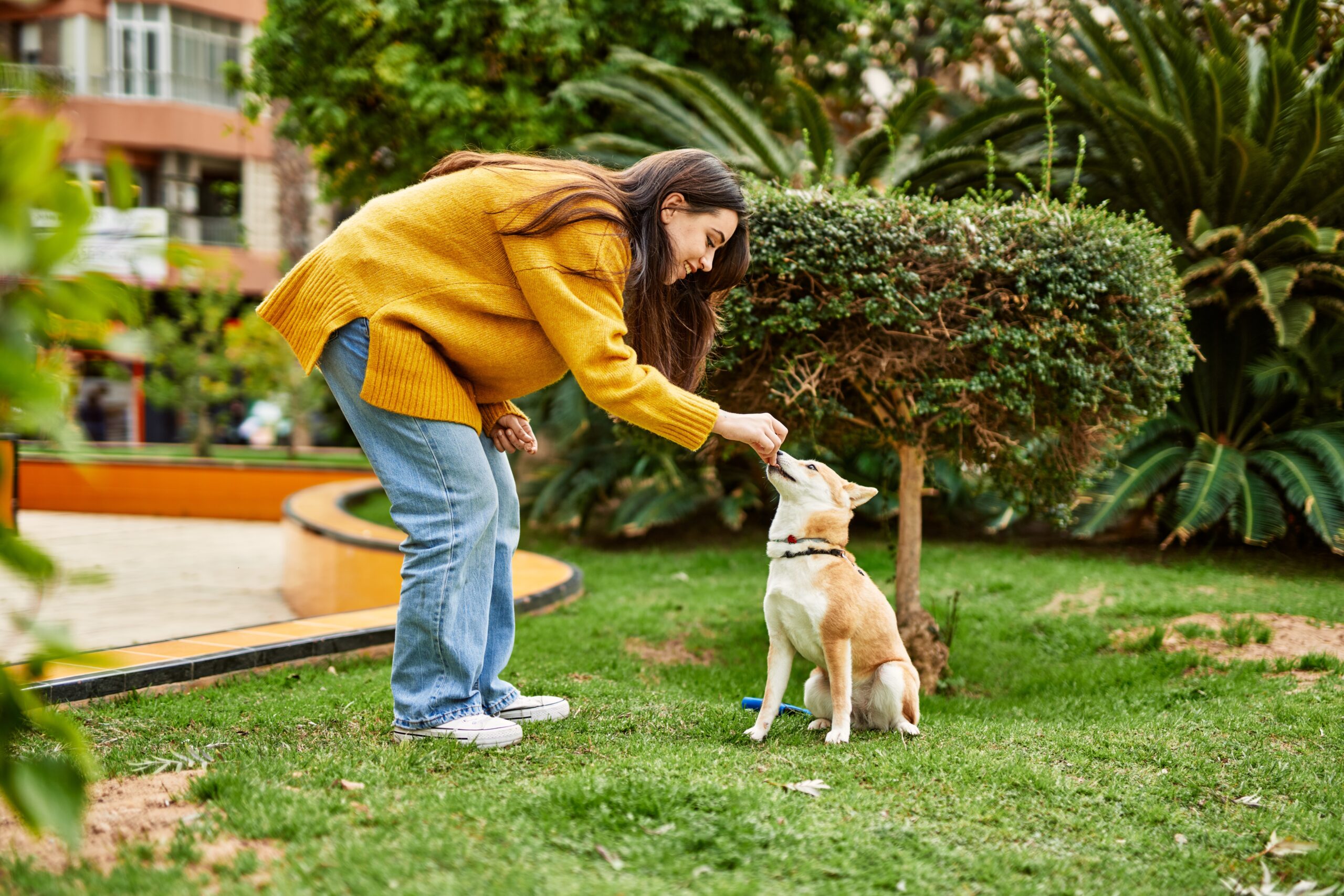
Maybe you just brought home a new puppy or welcomed a rescue into the family, picturing a perfectly behaved companion within a month. Then come the chewed shoes, surprise accidents on the rug, and a leash that feels more like a tug-of-war rope. So, how long does training really take?
Most dogs learn basic cues like sit, down, and come within a few weeks of consistent practice, but dependable, real-world training usually takes six months to a year. Puppies, adolescent dogs, and adults with established habits all learn at different speeds, and that variation is completely normal.
If your dog nails “sit” in the kitchen but ignores you at the park, you are not alone. Whether you are practicing at home or working with a dog trainer in Middlesex County, knowing what a realistic timeline looks like helps you stay patient and set your dog up for lasting success.
How Long Does Dog Training Take?
Dog training happens in stages, and each skill has its own timeline. Most dog trainers recommend measuring progress by consistency, not by how fast a cue is first learned.
Here is a general guide for most dogs:
- Basic cues (sit, down, stay): Two to six weeks of short, daily practice
- House training: Often four to six months, and sometimes up to a year
- Loose-leash walking: Several weeks to a few months
- Reliable recall and polite greetings: Six months to a year or more
Keep in mind that “learned” and “reliable” are not the same. A dog may understand a cue at home long before following it around other dogs, new people, or exciting smells.
How Long Does It Take to Train a Puppy?
Puppy training begins the day your puppy comes home and continues through their first year. Young puppies can start learning their name, simple cues, and crate routines at around eight weeks old, but short attention spans mean progress comes in small steps.
Keep sessions to about five minutes, a few times a day. Around six months, many puppies enter adolescence and seem to forget everything they know. This phase is a normal part of development, not a sign that training has failed. Staying consistent through it is what turns early lessons into lifelong habits.
What Affects How Quickly a Dog Learns?
A dog’s training timeline depends on age, temperament, daily routine, and overall health. Two dogs of the same breed can learn at completely different speeds.
Age, Breed, and Past Experiences
Some breeds are eager to work, while others are more independent thinkers. Rescue dogs or adults with ingrained habits may need extra time, since unlearning a behavior often takes longer than learning a new one. Still, dogs of every age can learn with patience and positive reinforcement.
Consistency and Daily Routine
Dogs learn fastest when every family member uses the same cues and follows the same rules. Structured, supervised environments help, too. At The Dog Retreat & Spa, supervised daycare and overnight lodging follow predictable routines that support good manners, while Enrichment Daycare offers smaller groups with activities that keep curious minds engaged.
Comfort and Wellness
A dog in discomfort struggles to focus. Overgrown nails, a matted coat, or sore joints can make sitting, walking on a leash, or holding a position unpleasant. Regular grooming keeps dogs comfortable, and physical rehabilitation can help dogs with mobility challenges build the strength and confidence to take part in training.
How Professional Training Shortens the Learning Curve
Working with experienced dog trainers helps you avoid common mistakes and keeps progress moving. Professionals read subtle body language, adapt techniques to your dog’s personality, and show you how to practice effectively between sessions.
Group classes also give dogs valuable practice around real-world distractions. Through a partnership with MSPCA–Angell, reward-based small-group classes are held right at our Waltham facility, whether you are starting puppy training or helping an older dog refine their skills.
For owners searching for a dog trainer in Middlesex County, pairing classes with daycare gives dogs even more chances to practice social skills between lessons.
Frequently Asked Questions
Is it too late to start training a six-month-old puppy?
Not at all. Six-month-old puppies are still very capable learners. Starting puppy training during adolescence may call for extra patience, but good habits can absolutely take hold at this age.
Do dogs forget their training?
Dogs rarely forget skills entirely, but behaviors can fade without regular practice. Occasional refresher classes with dog trainers help keep cues sharp.
Will boarding or daycare affect my dog’s training?
Structured care can support training. Predictable routines and supervised play let your dog practice good manners. Sharing the cues you use at home helps keep expectations consistent.
Finding the Right Training Support in Middlesex County
Training a dog is a journey measured in months, not days, and every small improvement truly counts. With patience, consistency, and the right environment, your dog can grow into a confident, well-mannered companion.
The Dog Retreat & Spa brings together small-group training classes, daycare, overnight lodging, grooming, and physical rehabilitation under one roof. If you want the support of a dog trainer in Middlesex County alongside a facility built around your dog’s well-being, schedule an appointment today and take the first step toward a happier, better-trained pup.