
Pool Safety For Dogs
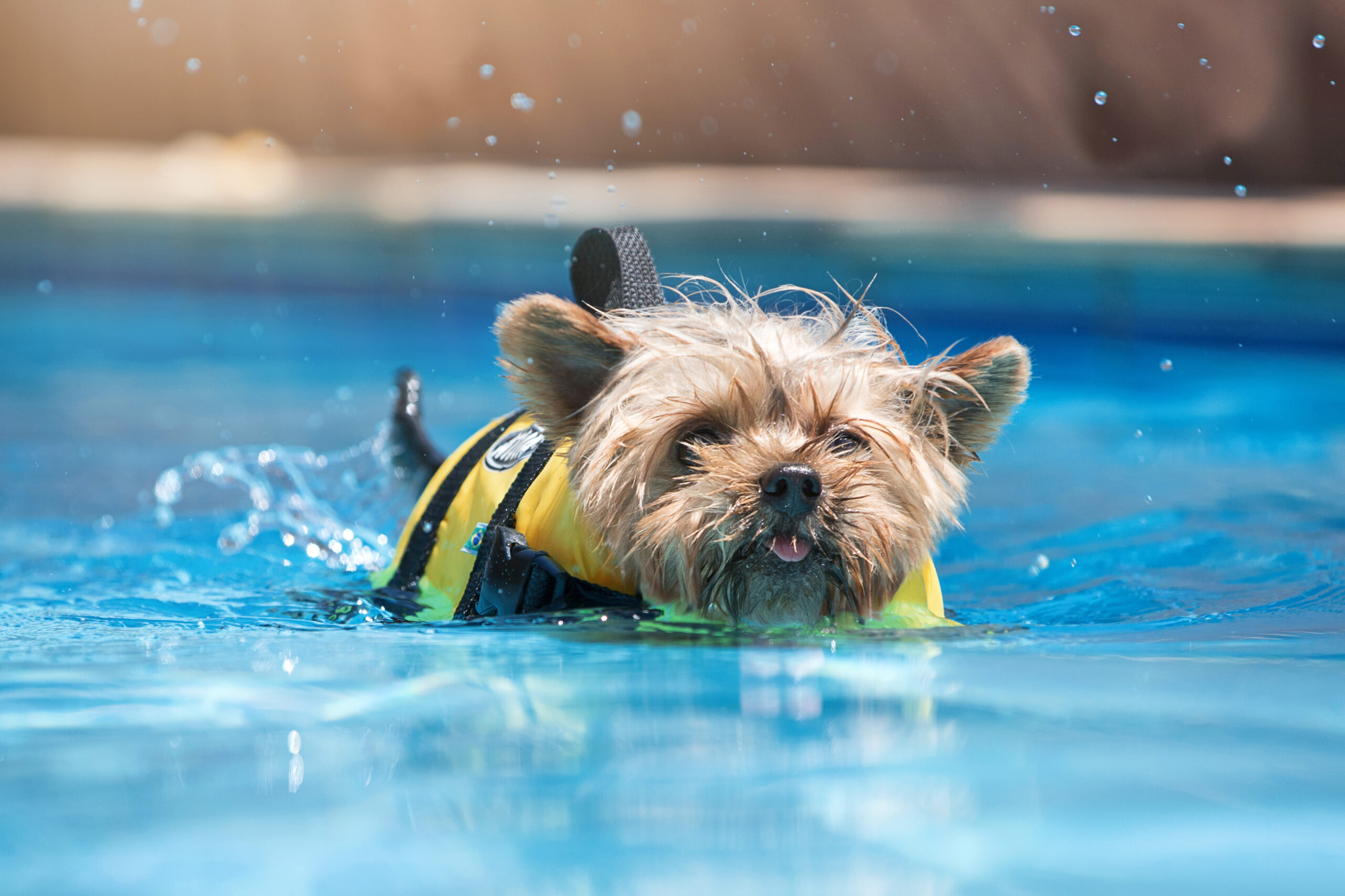
Pool safety is a crucial consideration for dog owners, especially for dogs who may not have much experience with being in the water. While many dogs enjoy swimming and it’s a great activity for them, there are some dangers that can arise. Just as with children, it’s important to use some safety measures when taking your pup for a fun swim.
Whether at home or in a daycare setting, it’s essential to be aware of the signs of distress in a dog while swimming and what to do in case of an emergency.
Let’s learn how to keep our furry friends safe and happy in the water!
Why is Pool Safety Important for Dogs?
Pool safety measures are crucial for pet owners who have backyard pools or access to other bodies of water such as lakes and rivers. Providing supervision is key to preventing accidents, as it allows pet owners to intervene if needed.
Additionally, training dogs on pool safety behaviors can help them understand boundaries and how to exit the pool. Using safety equipment like pool floats or ramps provides dogs with ways to easily get out of the water. Having emergency protocols in place ensures that if an accident does occur, quick action can be taken.
How to Ensure Pool Safety for Dogs
Supervision
Constant supervision is crucial when dogs are around pools, as it helps prevent accidents and allows for immediate intervention if needed. In addition, using pet safety collars can provide an extra layer of security, ensuring that dogs are easily identifiable and can be quickly rescued if they get into trouble.
Training and Familiarization
Introducing dogs to water at a young age through positive reinforcement can create a foundation for a lifelong enjoyment of swimming. Gradual exposure to water helps build their comfort levels, making them more confident swimmers.
Training dogs for water safety not only enriches their physical well-being but also provides mental stimulation and strengthens the bond between dogs and their owners.
Use of Life Jackets
Life jackets for dogs can provide an added layer of protection during water activities, especially for breeds less adept at swimming or in unfamiliar pool settings.
These specially designed jackets offer buoyancy to ensure that your furry friend stays afloat effortlessly, reducing the risk of accidents or fatigue in the water. The vibrant colors and reflective strips on the jackets enhance visibility, making it easier to spot your dog in the water, which is crucial for their safety.
What Are the Signs of Distress in a Dog While Swimming?
Recognizing signs of distress in a dog while swimming is vital to prevent accidents and ensure immediate assistance in case of emergencies.
Common indicators of distress in dogs during swimming sessions include excessive panting, frantically paddling or splashing, trying to climb out of the water, or being unable to keep their head above water.
It is important to closely monitor your furry friend while they are in the water, paying attention to any changes in behavior or signs of struggle.
If you notice your dog exhibiting any distress signals, such as restlessness, whining, or appearing disoriented, it is crucial to act promptly.
What to Do in Case of an Emergency
One of the primary steps in ensuring the well-being of a dog in a water-related emergency is being prepared to administer pet CPR. Also, make sure to have the contact information of a local emergency veterinary clinic or animal hospital readily available in case of emergencies.
Administering basic first aid to address common water-related issues such as hypothermia or near-drowning incidents can make a significant difference in the dog’s recovery. Keep a pet first aid kit handy with essentials like bandages, gauze, antiseptic wipes, and a muzzle.
How to Introduce a Dog to Swimming
Introducing a dog to swimming requires patience, positive reinforcement, and gradual familiarization with water environments to build confidence and ensure a positive experience.
Begin by choosing a calm and shallow water body, like a pool or a lake with a gentle entry point, to provide a stress-free introduction. Encourage the dog to explore the water at its own pace, using treats or toys as positive motivators.
Slowly guide the dog into the water, ensuring that it feels safe and supported. Always stay close to provide reassurance and guidance, allowing the dog to develop trust and comfort in the new environment.
Observe the dog’s body language and reactions closely to understand its comfort level and adjust the training accordingly. Remember, every dog is unique, so tailor your approach to suit its preferences and needs. Building a strong foundation of trust and positive associations will pave the way for a successful swimming experience for your furry friend.
Safety Comes First at The Dog Retreat & Spa
At The Dog Retreat & Spa, our staff are trained to ensure the safety of your dog at all times, whether they’re romping in one of our supervised play areas or lounging indoors. We offer lodging, daycare, a grooming spa, training, transportation, and coming soon – an indoor splash park! When your pup is with us, they’re part of the family.